
A backflow preventer helps keep irrigation water, soil, fertilizers, and other contaminants from flowing backward into the drinking-water supply.
For homeowners in Surprise and nearby Arizona communities, this small assembly is an important part of a safe irrigation system. It also needs proper installation, inspection, maintenance, and: when required: testing and reporting.
What A Backflow Preventer Does
Your irrigation system connects to a pressurized water source. Under normal conditions, water moves in one direction: from the supply line to your sprinklers or drip zones.
Backflow can occur when pressure changes reverse that flow. Two common causes include:
- Backsiphonage: A drop in supply pressure pulls irrigation water backward.
- Backpressure: Pressure in the irrigation system becomes higher than the supply pressure.
A backflow preventer creates a barrier against that reverse movement. This helps protect the public water system and your home’s potable water supply.
The correct device depends on the system design, installation, and possible contamination risk. Common types include pressure vacuum breakers, double-check assemblies, and reduced-pressure assemblies.
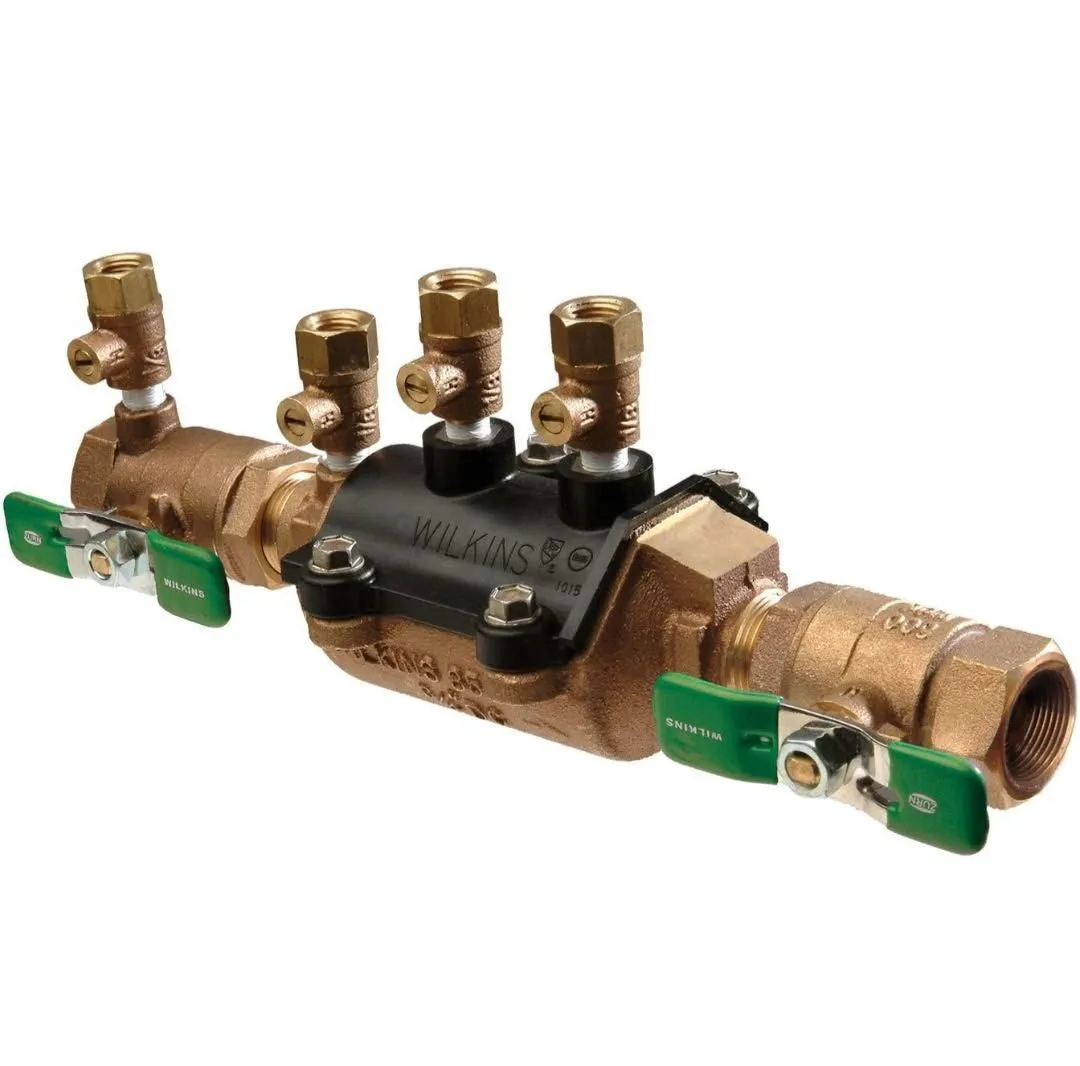
Common Signs Of Trouble
Watch the assembly when your irrigation system starts, runs, and shuts off.
Call for professional help if you notice:
- Continuous dripping or spraying
- Water pooling around the assembly
- A cracked brass or plastic body
- Low pressure in sprinkler zones
- Irrigation water that does not shut off correctly
- A failed test or compliance notice
- New leaking after a water-main break or nearby construction
A brief release of water may occur with some devices during operation. Constant leaking is different. It can indicate debris, worn seals, mineral buildup, pressure problems, or internal damage.
Arizona Conditions Can Be Hard On These Devices
Arizona irrigation equipment works through intense heat, direct sunlight, hard water, dust, and occasional freezing temperatures.
Freezing
Even in the Phoenix-area desert, exposed assemblies can freeze during cold weather. Water trapped inside may expand and crack the body, bonnet, or internal components.
A cracked assembly generally requires replacement. Tightening fittings will not repair a split casting.
Heat And UV Exposure
Long-term sun and heat can dry out rubber seals, weaken plastic parts, and shorten the life of internal components. Shade or an appropriate protective cover may help, but the device must remain accessible for inspection and testing.
Debris And Mineral Scale
Sand, grit, and sediment can enter the assembly after a water-main break, line repair, or construction activity. Hard-water minerals may also build up on springs, check valves, and sealing surfaces.
These problems can cause:
- Intermittent dripping
- Reduced irrigation pressure
- A failed annual test
- A valve that does not close completely
Normal wear also matters. O-rings, springs, washers, and other internal parts eventually lose their ability to seal properly.
What You Can Safely Check
You can perform a basic visual inspection without disassembling the device.
Check for:
- Visible cracks
- Soggy soil or standing water
- Damaged insulation or covers
- Partially closed shut-off handles
- New leaks after freezing weather or nearby water work
Take a photo of the assembly and note when the problem occurs. This information helps a technician diagnose the issue faster.
What You Should Not Do
Do not remove the assembly, change its orientation, bypass it, or permanently cap a leaking outlet.
Do not rely on a general visual check as an official test. Testable assemblies must be evaluated using approved procedures by a properly certified tester when testing is required.
If the assembly is cracked, continuously spraying, or connected to a system with chemical injection, shut off the irrigation supply if you can do so safely. Then arrange professional service.
Testing And Reporting Requirements In Arizona
Requirements can depend on the property, irrigation connection, water provider, and local authority.
Arizona Administrative Code R18-4-215 generally requires required backflow-prevention assemblies to be tested at least annually. Testing is also required after installation, relocation, or repair. The regulation also addresses testing by a currently certified general tester and forwarding results to the public water system by the required deadline.
However, Arizona rules do not mean every single-family homeowner has the same obligation. The state rule includes an exemption for single-family residences used solely for residential purposes unless a specific cross-connection issue is identified. Local programs may still require protection and testing for irrigation systems, separate meters, multifamily properties, or other connections.
If you live in Surprise, review the City of Surprise Cross-Connection / Backflow program or contact the city’s Water Resource Management Division. Confirm:
- Whether your assembly must be tested
- How often testing is required
- Who may perform the test
- Which form or reporting method is required
- The deadline for submitting results
Keep copies of completed test reports and repair records.
How ASM Irrigation Can Help
ASM Irrigation helps homeowners understand what is happening at the assembly and what needs to happen next.
We provide practical backflow preventer inspection, testing coordination, repair, replacement guidance, and reporting support where applicable. The exact service depends on the device and local requirements.
With more than 35 years of Arizona experience, our Hunter Certified Experts understand the conditions that affect residential irrigation systems in Surprise and nearby communities. We use genuine quality parts, provide honest recommendations, and explain repair options clearly.

You do not always need a full system replacement. Sometimes the right answer is cleaning, a rebuild, a valve adjustment, or a targeted repair. We will explain the practical choice and keep communication clear throughout the job.
Schedule A Backflow Review
Do not ignore continuous leaking, a failed test, or a damaged assembly.
Call ASM Irrigation at (928) 530-7443 or email asmirrigation@gmail.com. We serve homeowners in Surprise and throughout Arizona with dependable irrigation repairs, maintenance, and clear next steps.